Motvek(s)t
Ida Immonen, Istvan Virag,
Madeleine Andersson and Marie Thams
BO (The Association of Visual Artists Oslo), May 13 - June 14, 2026
In 1903, the American game designer, feminist, and author Elizabeth J. Magie developed what she named as The Landlord’s Game. The board game was designed to highlight the economic disadvantages of monopoly – the consequences of a society where only a few people owned everything. She created two sets of rules for the game: an anti-monopolist set, which gave all players a small income when one of them bought a property. This version of the game was considered won when the player who started with the least had doubled their wealth. The other set of rules, themonopolist set, reversed this logic; here, players would collect rent from anyone landing on their property, to in turn use these profits to increase their wealth. Within this logic, the rich would get richer, and concentrate the power, whilst those lagging gradually would disappear from the board, one by one. When toy and game manufacturer Parker Brothers bought Magie’s rights to The Landlord’s Game in the 1930s, they chose to remove the anti-monopolist set altogether, and thus they launched the game under the name Monopoly.
Looking at the conditions of the global economy today, one can observe a logic and growth philosophy reminiscent of monopoly rules; despite doubling its value on an average rate of every 20 years, the inequality between the richest ten percent and the global population at large has been exponentially increasing since the 1980s. The rich are getting richer, and the poor are getting poorer. Simultaneously, the earth’s resources are being extracted at an extreme rapidity, to be transformed into goods with close to no lifespan. The illusion of infinite growth disrupts the life cycles of the planet, creates ever greater climate change and leads to major loss of wildlife. As the consequences of human overconsumption are making themselves increasingly visible, this capitalist fantasy is about to crack. We know this cannot go on, but what are our alternatives?
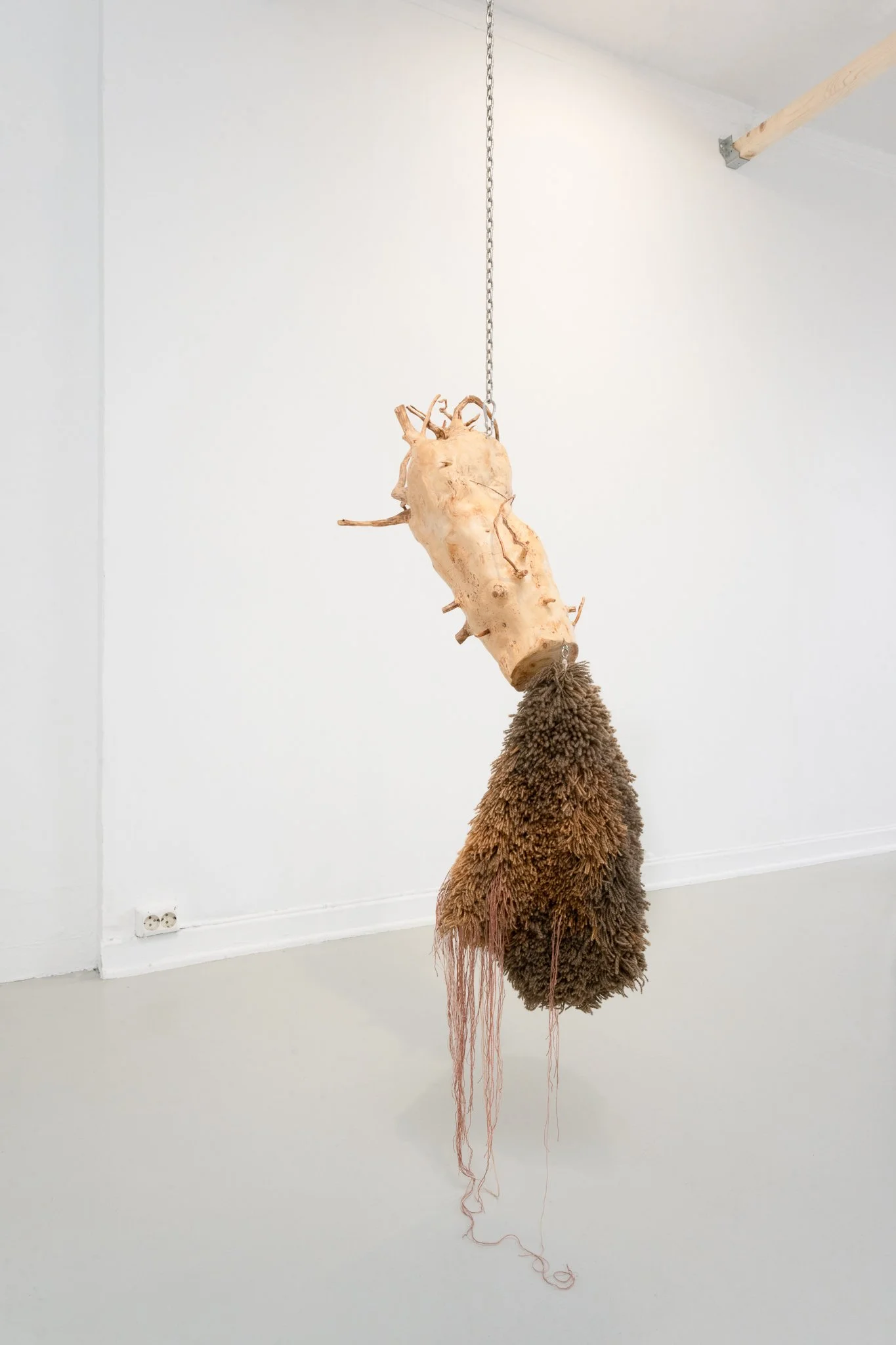
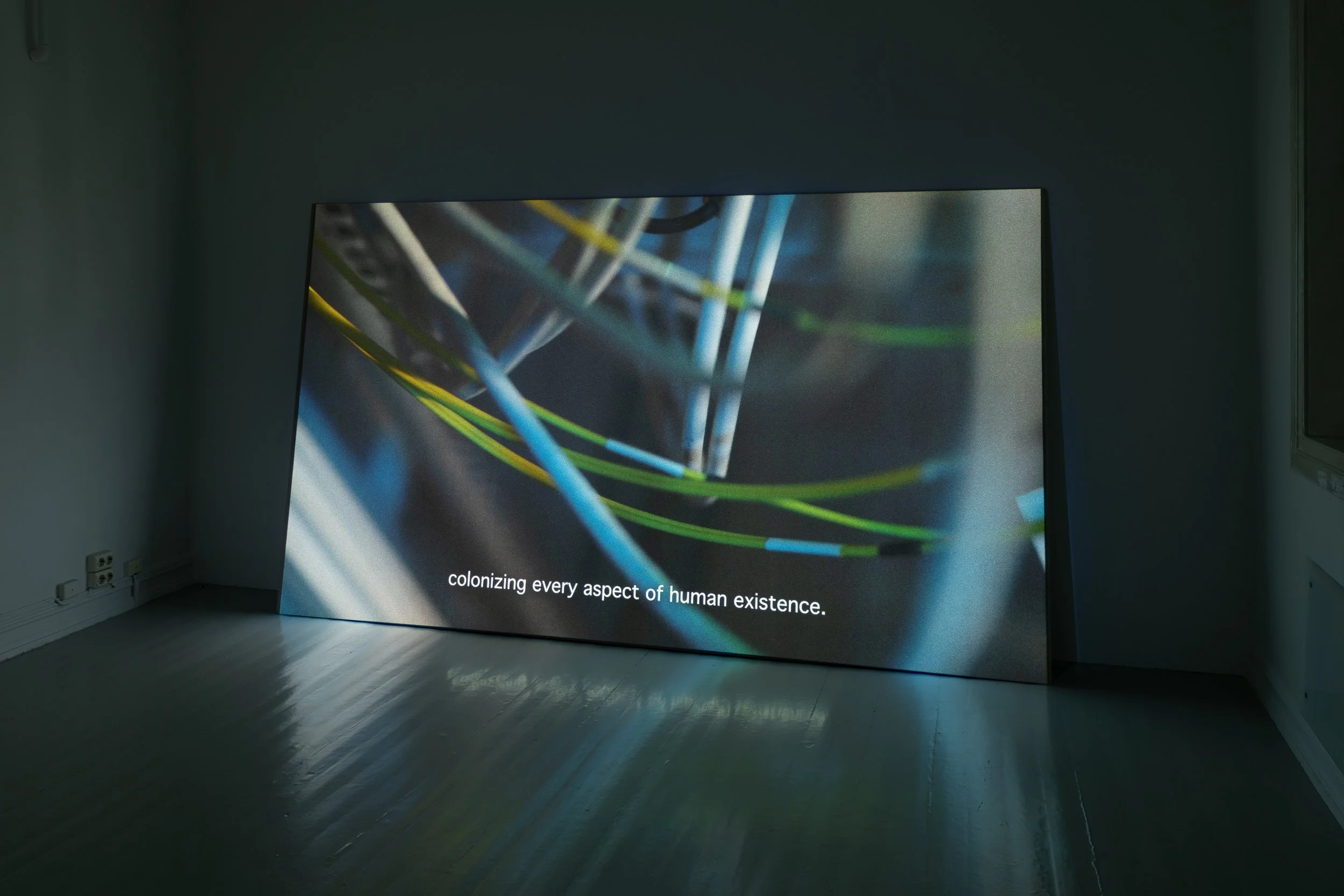
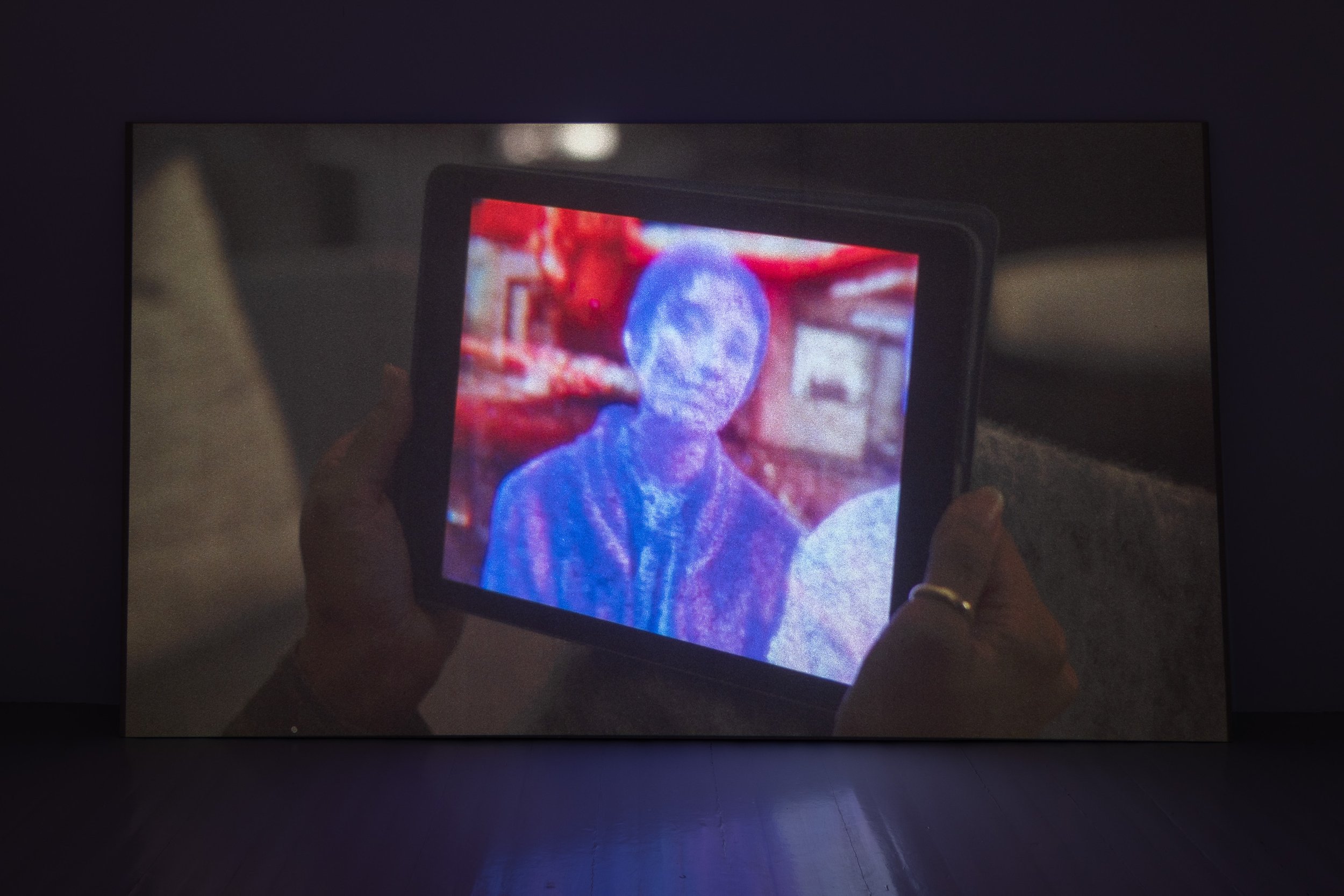
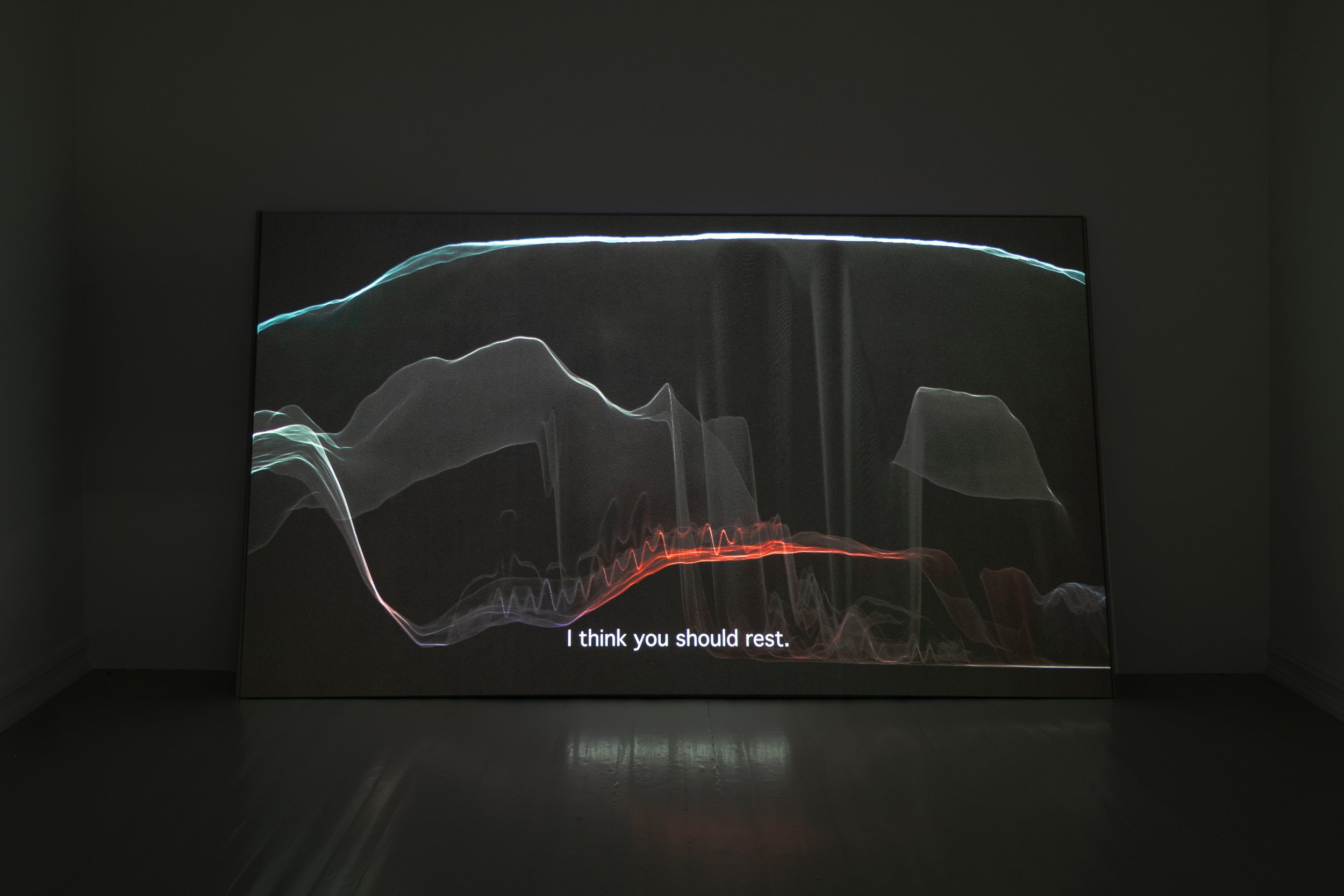
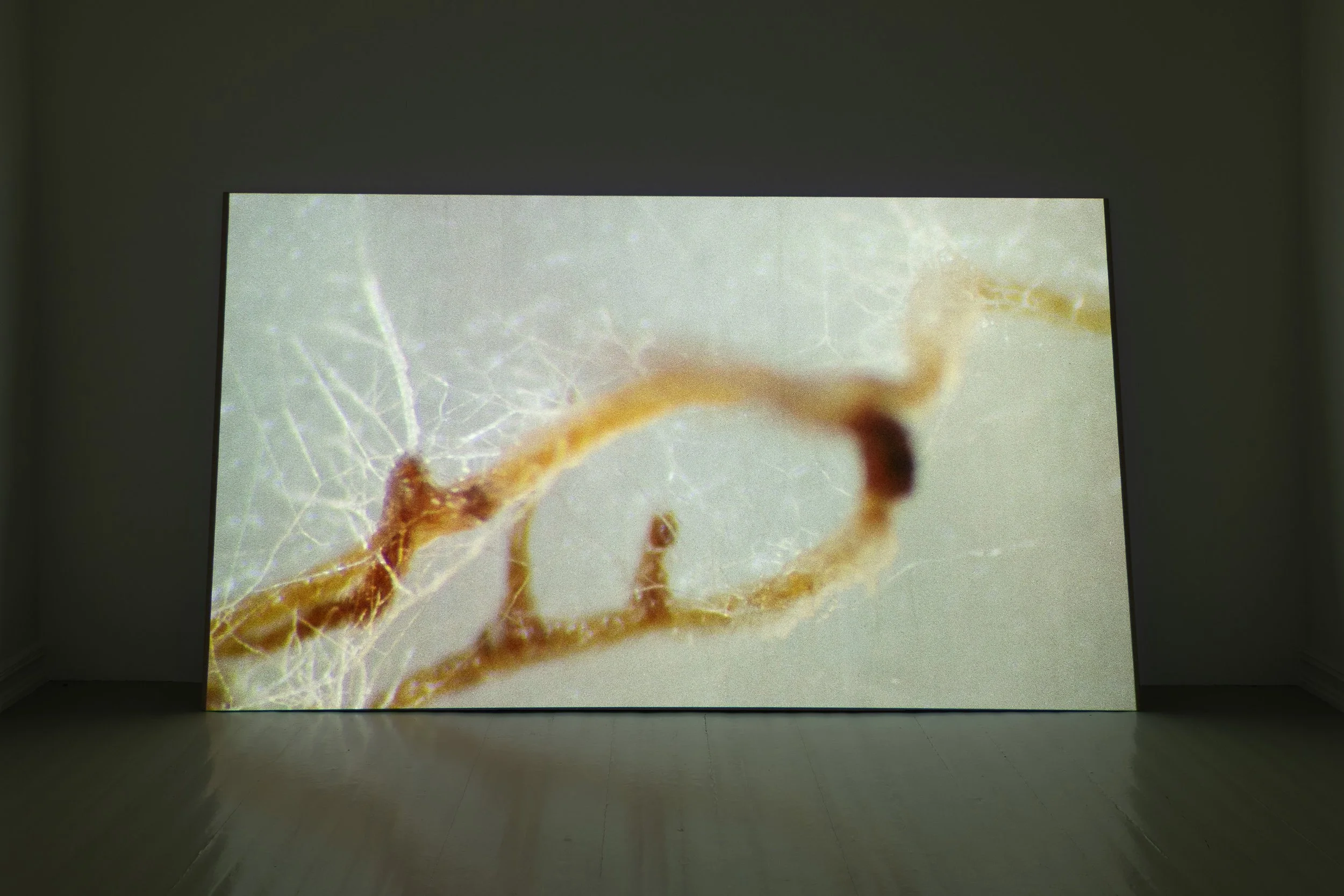
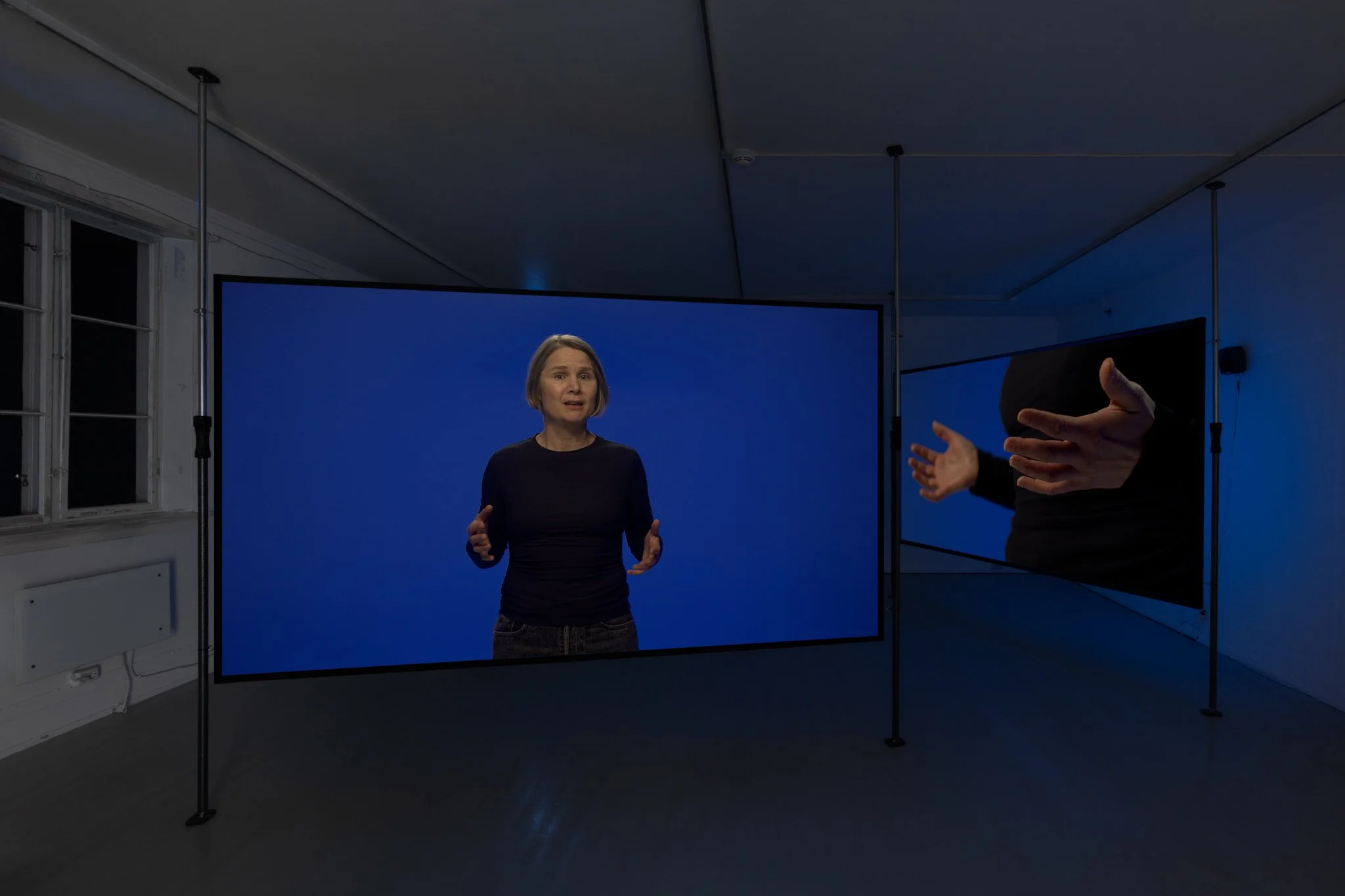
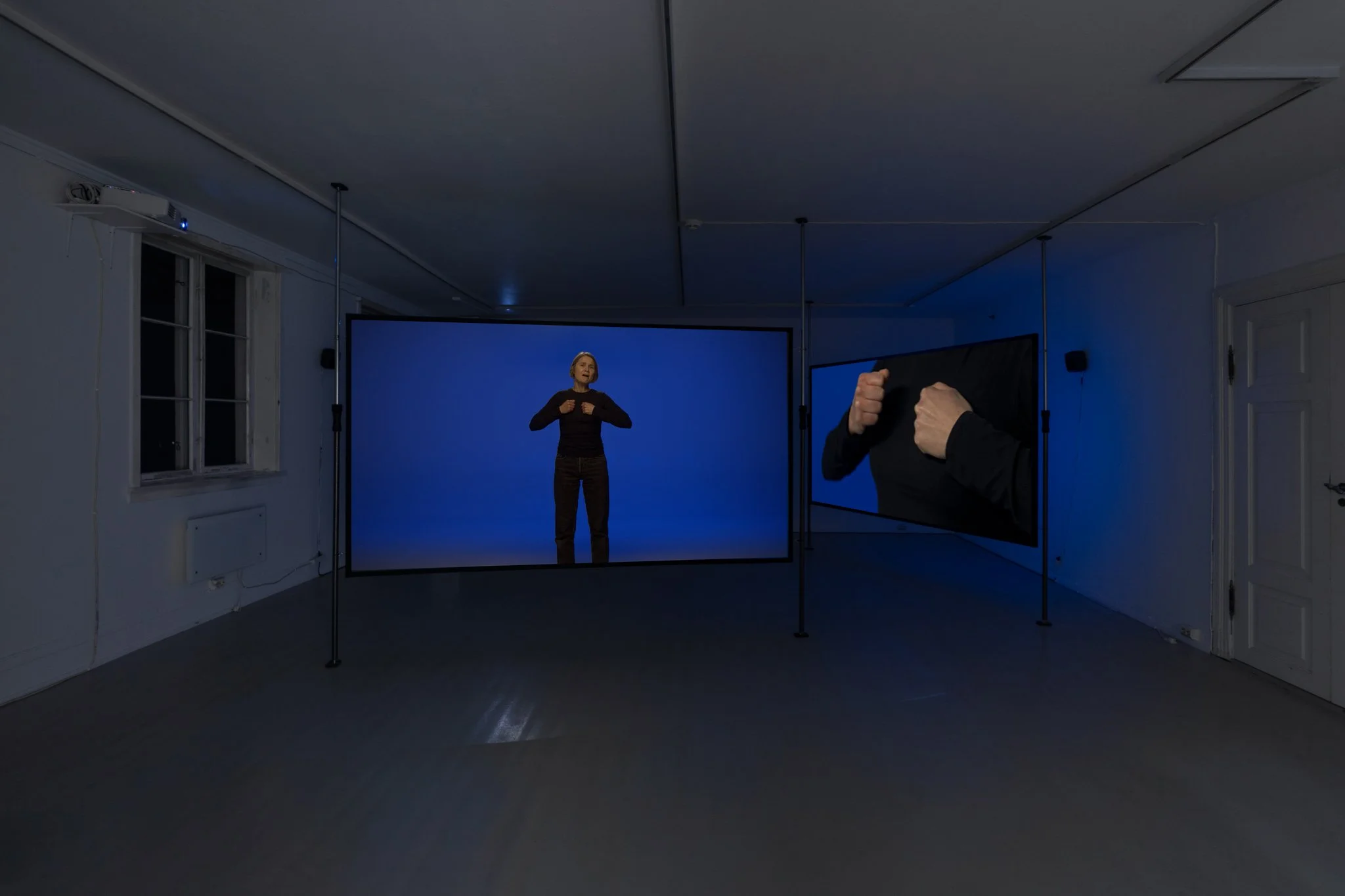
The group exhibition Motvek(s)t [Degrowth / Counter-balance] opposes the fairy tale of eternal growth. Presenting works by Ida Immonen (FI/NO), Istvan Virag (HU/NO), Madeleine Andersson (SE/DK) and Marie Thams (DK), it critically approaches the growth paradigm of capitalism and work life at present. Through their different practices, the artists propose other ways of understanding value, work, time and community, asking us to reimagine the rules of the game.
The exhibition title Motvek(s)t can be read as both “motvekst” [degrowth] and “counter-balance” [motvekt]. It is inspired by the Japanese philosopher Kohei Saito, who in his books Marx in the Anthropocene: Towards the Idea of Degrowth Communism (2023), Slow Down: The Degrowth Manifesto (2024) og Slow Down: How Degrowth Communism Can Save the Earth (2025), purposes a degrowth communism. Degrowth communism promotes a social model where quality of life, ecological balance and social equality are prioritized over the cost of profit. With this backdrop, the exhibition examines how degrowth communism also can be applied as guidelines for the arts. This approach demands a reconsideration by the artists and curators of the conducts and principles implemented in the art field as is. With what right can we be critical towards the practice of other industries, when our very own – the art world – fails in its efforts to be better?
Consequently, we have during the development and production of Motvek(s)t, tried to stay aware of pace, work rhythms and the limitations of the body. This at large inspired by the coined practice of embodied curating, which puts the body, sensory experience and situated knowledge at center stage. The everyday life in the art field, is for most characterized by limited resources, competition for funds and a widespread tendency to culminate overtime and burn out. We do not claim to have found a set solution; however, we have consciously made the exhibition a testing ground for novel practice, emphasizing to create space for reflection, dialogue and experimentation. The curators and artists meet in a common precariousness. Taking this into account entails practising consideration and compassion, accepting that not everything is perfect, respecting and accepting our own and each other’s short comings.